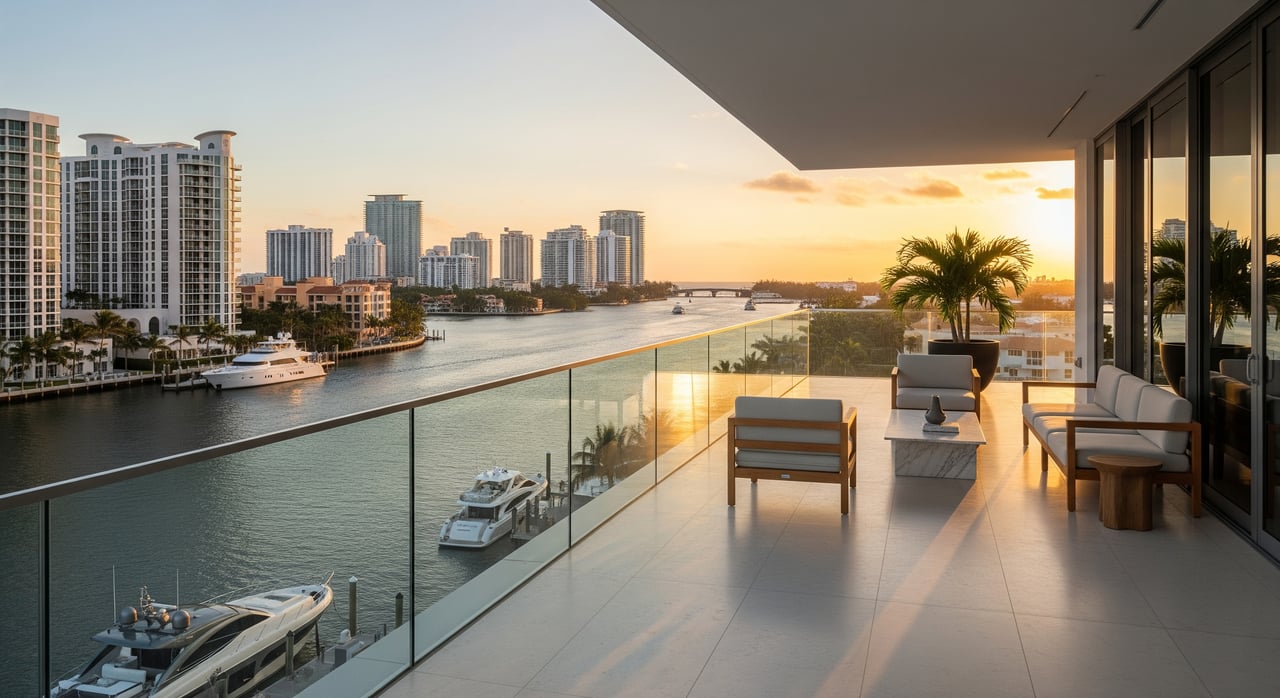
Water or walkability? If you are deciding between a waterfront view on Flagler Drive and a condo in the heart of Downtown West Palm Beach, the choice can feel big. You want the right lifestyle, reliable buildings, and smart long-term value. This guide breaks down both areas so you can compare how you will live day to day, what to watch in HOA and insurance, and the due diligence that protects your investment. Let’s dive in.
Flagler Waterfront overview
Flagler Waterfront runs along Flagler Drive beside the Intracoastal Waterway. You will find a linear stretch of mid-rise and high-rise condos with marinas, seawalls, and wide water views. Many buildings offer direct waterfront exposure and a quieter, more residential feel while staying close to downtown.
The big appeal is sunrise views, boating access, and a scenic promenade for walking or biking. If you value dock access or the calm of the water, this corridor is often the top pick. Expect a more serene setting compared to the core downtown streets.
Downtown West Palm overview
Downtown centers around Clematis Street, Rosemary Square, and the Okeechobee Boulevard business district. You will see modern towers, mixed-use developments, and some boutique mid-rises and loft-style options. The focus is walkability to restaurants, cultural venues, retail, and frequent events.
If you want an active urban scene, downtown makes daily errands and nights out easy. Pedestrian access to grocery, dining, and entertainment is a major draw. You trade direct waterfront access for energy and convenience.
Lifestyle tradeoffs
Walkability and amenities
Downtown offers the highest walkability to dining, shops, theaters, and events around Clematis and Rosemary Square. Daily needs are often a short walk. Flagler Waterfront is great for waterfront walks and biking, but you will likely drive or take a longer walk for shopping and nightlife.
Water access and boating
Flagler Waterfront buildings commonly feature private docks, boat slips, and direct Intracoastal access to the Atlantic via Lake Worth Inlet. Slip availability and transfer rules vary by building. Downtown towers near the water may have fewer private docks, though some residents use nearby public marinas.
Noise and activity
Downtown’s events and nightlife create a lively, sometimes louder environment. Flagler Waterfront tends to be quieter, with sounds of water activity more common than late-night street noise. Pick based on the pace that suits your day-to-day routine.
Condo buildings and HOA realities
Both areas have older and newer towers, and each choice carries different ownership considerations. Older waterfront buildings from the 1960s to 1980s can have larger floor plans but may face capital projects on building systems, envelopes, or seawalls. Newer luxury towers in either area often deliver modern amenities, but with higher HOA fees.
Downtown’s mixed-use buildings bring convenience at your doorstep and often strong amenities like concierge and fitness. That convenience can also mean more foot traffic or event noise. Boutique mid-rises and loft conversions downtown can offer character with fewer amenities or parking options.
Reserve funding is a key variable. Ask for recent budgets and reserve studies to see if the building is preparing for long-term repairs. Underfunded reserves often lead to special assessments, which are more common in older waterfront buildings or anywhere large projects are due.
Insurance, flood, and safety
Much of the waterfront sits in higher-risk FEMA flood zones. If you finance, lenders may require flood insurance, and costs can be higher on the water. Associations carry master policies for common areas and structures, but you should confirm coverage limits and deductibles.
Florida’s insurance market has been volatile, and underwriting can be strict in buildings with limited reserves, litigation, or structural concerns. Since 2021, inspection and maintenance requirements for aging buildings have increased across many municipalities. Always request recent engineering, structural, and municipal inspection reports, plus any recertification progress and disclosure documents.
Transit and location
Downtown has strong access to regional rail, including the West Palm Beach Brightline station and connections to local commuter rail. You are also close to major roads like I-95 and a short drive to Palm Beach International Airport. Micro-mobility and biking infrastructure are better downtown for short trips.
Flagler Drive delivers a scenic waterfront route that is popular for biking and jogging. You can still access the same highway network and airport, with a bit more driving for daily errands. Both areas benefit from nearby parks, cultural institutions, and frequent programming.
Which area fits your goals
- Choose Flagler Waterfront if you want direct water views, potential dock access, a residential pace, and sunrise walks along the Intracoastal.
- Choose Downtown if you want strong walkability, easy access to restaurants and culture, and an active, urban lifestyle.
- Either area can work for investors, but rental rules vary by building. Verify minimum lease terms, caps, and any short-term restrictions before you buy.
Buyer due diligence checklist
Before you go under contract, ask for:
- Condo declaration, bylaws, rules, recent meeting minutes, budgets, and financials.
- The latest reserve study and a record of reserve contributions.
- Association insurance certificates and declarations, including flood and windstorm details.
- Recent engineer or structural reports, any municipal inspection or recertification results, elevator logs, roof and seawall maintenance records.
- A statement on current or recent litigation and any special assessments, planned or in progress.
- Building rental and pet policies, plus parking and storage information.
- Flood zone information and any elevation certificates, along with any history of flooding events.
- For waterfront purchases, dock or slip agreements, transfer rules, waitlists, and costs.
How to compare two condos side by side
- Lifestyle fit: walkability vs. waterfront access; noise level; proximity to your daily routine.
- HOA and reserves: monthly fees, reserve funding, and any approved or proposed assessments.
- Building health: structural reports, elevator condition, roof and seawall status, and inspection timelines.
- Insurance exposure: flood zone, association coverage limits, deductibles, and your likely individual policy needs.
- Ownership flexibility: rental minimums, caps, short-term rules, and pet policies.
- Waterfront rights: availability, costs, and transferability of docks or slips.
- Practicalities: assigned parking, guest parking, storage, and elevator access.
Next steps
Choosing between Flagler Waterfront and Downtown comes down to how you want to live and how each building performs on reserves, insurance, and long-term maintenance. With careful review of documents and an apples-to-apples comparison, you can buy with confidence. If you want a tailored shortlist and guidance through the due diligence, connect with Patrick LeTourneau for a private, data-backed consultation.
FAQs
Which West Palm area offers better walkability for daily needs?
- Downtown provides the strongest walkability to restaurants, retail, cultural venues, and frequent events, while Flagler Waterfront is more about scenic waterfront walks.
How do HOA fees compare between Flagler Waterfront and Downtown?
- Fees vary widely by building age, amenities, and reserves; older waterfront towers and newer luxury towers can both carry higher fees depending on capital needs and services.
Are waterfront condos more expensive to insure in West Palm Beach?
- Waterfront locations often sit in higher-risk flood zones, which can raise flood premiums; windstorm and building factors also affect association and owner costs.
What building reports should I review before buying a condo?
- Request recent engineering or structural reports, reserve studies, budgets, insurance declarations, meeting minutes, inspection or recertification results, and maintenance logs.
Can I get a dock or boat slip with a Flagler Waterfront condo?
- Many waterfront buildings offer docks or slips, but availability, transfer rules, waitlists, and costs differ; verify terms with the association before making an offer.
Do financing rules differ between older and newer buildings?
- Some lenders limit financing in buildings with low reserves, pending litigation, or failed inspections; confirm building status and lender requirements early in the process.