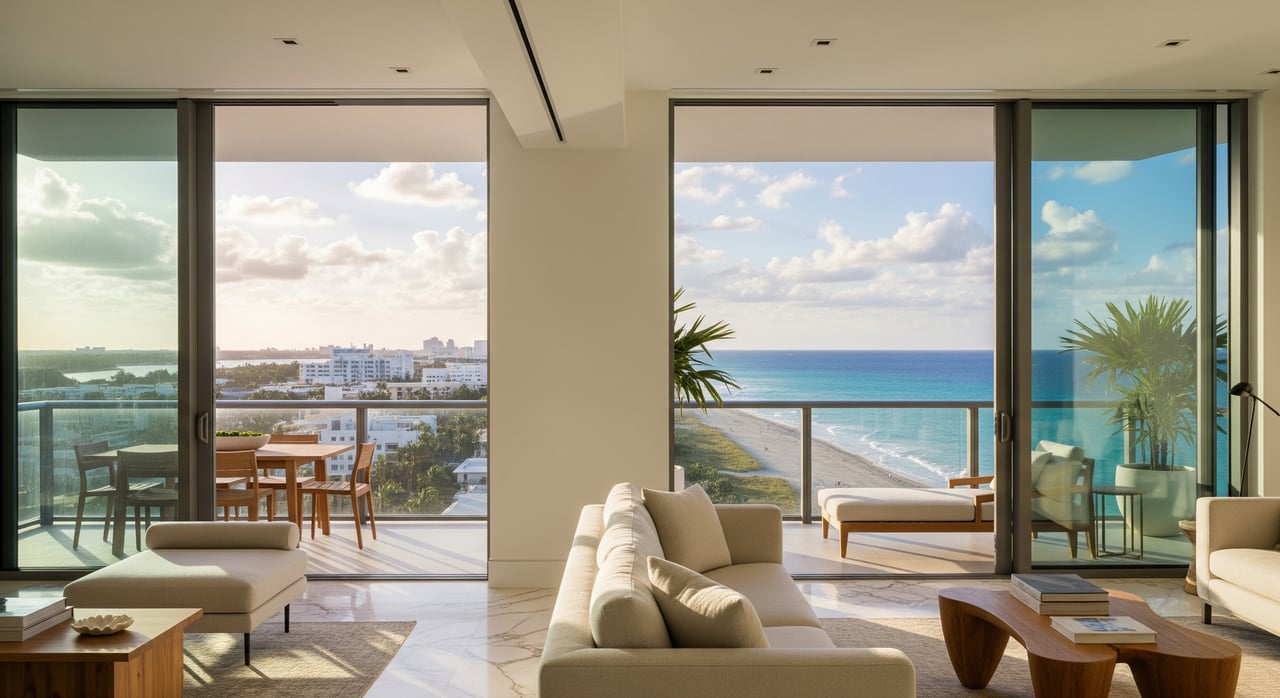
Craving ocean views without the South Beach buzz? Mid-Beach gives you a calmer slice of Miami Beach with direct sand access, luxe amenities, and strong long-term appeal. If you love the idea of sunrise coffee on your balcony, you also want clarity on building health, insurance, and association stability before you buy. This guide walks you through what to check in the building, the unit, and the condo association so you can move forward with confidence. Let’s dive in.
Quick Mid-Beach primer
Mid-Beach sits between South Beach and North Beach, roughly from 23rd Street to 63rd Street. You will find a mix of classic mid-century buildings, boutique condos, and newer luxury towers. The vibe is more relaxed than South Beach, yet still close to dining, arts, and resort amenities. Oceanfront buildings here offer the best beach access and the strongest view premiums.
What to look for in the condo and building
View, orientation, and floor
- Confirm true oceanfront versus ocean-view. Oceanfront stacks on the sand usually carry higher prices and stronger resale potential.
- Higher floors often mean bigger views and less street noise. Balance that with elevator wait times and greater wind exposure during storms.
- Eastern, northeast, or southeast exposures bring different light and wind patterns. Visit at different times of day to see glare and shade.
Building age and construction
- Older coastal buildings can offer value, but plan for higher maintenance. Salt air accelerates wear on concrete, rebar, balconies, and railings.
- Ask about balcony waterproofing, façade repairs, and concrete restoration. These are major cost drivers in oceanfront towers.
- Request recent engineering or structural reports and the building’s recertification history. Post-2021, many associations increased inspections and planning.
Windows and hurricane protection
- Impact-rated glass is a big lifestyle and insurance win. It preserves your view during storms and may help with wind mitigation credits.
- If shutters are installed, note type and condition. Confirm permits for past window or shutter upgrades.
- Check balcony railing attachments and glass age. Older railings are a common repair item in coastal buildings.
Systems, amenities, and ongoing costs
- Ask how A/C is delivered. Central chillers versus individual units change maintenance and repair costs.
- Review elevator modernization, generator capacity, plumbing material, and the condition of pool and spa.
- More services and staffing often mean higher HOA dues. Decide which amenities you will actually use.
Parking, storage, and access
- Confirm assigned spaces or valet only. Ask about guest parking and EV charging plans.
- Look for storage lockers for beach gear and bikes. Elevator access and lobby security impact daily convenience and rental appeal.
Association and financing essentials
Financial health and documents to request
Ask the seller and association for a complete resale package. Key items include:
- Current budget, most recent financials, and the latest reserve study
- Meeting minutes for the last 12 to 24 months and any special assessment history
- Insurance master policy, deductible amounts, and proof of coverage
- Bylaws, CC&Rs, house rules, rental policy, litigation disclosures, and planned capital projects
Red flags include thin reserves for an older oceanfront building, repeated special assessments, or high owner delinquencies. These can lead to surprise costs and lender concerns.
Insurance basics for oceanfront condos
- The master policy covers the structure and common areas. You will usually carry an HO-6 policy for interior finishes and personal property.
- Understand hurricane and wind deductibles on the master policy. Large deductibles can be passed to owners by special assessment after a storm.
- Flood insurance is often required in coastal flood zones. The National Flood Insurance Program and private carriers price based on elevation, building features, and risk. You can explore coverage basics through the NFIP flood insurance resource.
Financing and condo project approvals
Many lenders review the entire condo project, not just your unit. They look at owner occupancy, reserves, litigation, and commercial space percentage. Review guidance such as the Fannie Mae condo project standards, and check the FHA condominium approval list if you plan to use an FHA loan. If a project has active major litigation or insufficient reserves, financing can be limited or require larger down payments.
Rentals and local rules
If rental income matters to your plan, confirm two things:
- City rules. Miami Beach regulates short-term rentals by zoning and licensing. Review the city’s guidance on short-term rental rules.
- Building rules. Many Mid-Beach buildings restrict short-term stays or limit the number of leases per year. Get the policy in writing.
Flood, hurricane, and structural safety
Flood zones and elevation
- Check the property’s FEMA flood zone and base flood elevation. You can look up flood zones using the FEMA Flood Map Service Center.
- Ask for an elevation certificate. It helps insurers price flood coverage and can influence premiums.
- For long-term planning, review regional projections with the NOAA Sea Level Rise Viewer. Consider how elevation, drainage, and building design mitigate risk.
Wind exposure and code generation
- Storm resilience depends on when the building was constructed or renovated and what upgrades were permitted.
- Verify impact windows, roof systems, and any wind mitigation features noted in association documents.
- Ask about the building’s hurricane preparedness plan, generator coverage, and storage for outdoor furniture during storms.
Structural inspections and recertification
- In South Florida, buildings undergo periodic recertification, often at 40 years with additional follow-ups. Request the building’s recertification status and any required repairs.
- Focus inspections on concrete, balconies, garage slabs, roof membranes, and elevator pits. Salt and water intrusion can accelerate deterioration near the ocean.
Post-2021 safety updates
- Many associations completed new inspections and updated reserve studies after 2021. Ask for any post-2021 engineering reports and project plans.
- Expect lenders and insurers to push for better documentation in older coastal towers.
Step-by-step due diligence timeline
Before you tour
- Get a sense of price trends, inventory, and days on market through Miami Realtors market reports.
- Confirm that your lender is active in Miami Beach condos and understands project reviews.
- Line up an insurance broker who writes both hurricane and flood coverage for oceanfront condos.
During tours
- Note stack location and true oceanfront exposure. Compare view corridors and potential future obstructions.
- Ask about elevator count, wait times, and service elevators.
- Look for signs of leaks, balcony wear, window seal failure, and HVAC corrosion.
Offer and contingencies
- Include time to review association documents, financials, reserve studies, and minutes.
- Add inspection contingencies for the unit and the building envelope.
- Confirm financing contingencies tied to project approval if you need a mortgage.
Inspections and reports
- Order a full unit inspection. Add a structural or façade review by a licensed engineer for older buildings or where repairs are noted.
- Request an elevation certificate if flood insurance is a concern. Compare NFIP versus private quotes.
- Verify what HOA fees cover, such as water, cable, or central A/C.
Closing prep
- Confirm insurance binders and master policy deductibles.
- Recheck any open permits or code items in the association minutes.
- Verify parking assignment, storage, and move-in scheduling.
Lifestyle and neighborhood checks
Daily convenience
- Test drive times to bridges and causeways during peak hours.
- Walk to see proximity to grocery, pharmacies, and dining. Visit at night and on weekends to gauge seasonal activity.
- Note access to healthcare and urgent care. Keep a short list of nearby options that fit your needs.
Beach access and guest experience
- Confirm beach access points, dune restoration work, and any public access adjacent to the building.
- Ask about guest parking and policies during holidays and events.
Pro tips for a smoother purchase
- Pull parcel and tax data early through the Miami-Dade Property Appraiser.
- Review the Florida Condominium Act to understand owner and association duties. You can reference Chapter 718, Florida Statutes.
- Keep a running list of open questions from meeting minutes and reserve studies. Ask for written answers from management.
- Document everything. Save inspection photos, quotes, and insurance comparisons.
The bottom line
An oceanfront condo in Mid-Beach can deliver the lifestyle you want and the long-term stability you need, if you buy with clear eyes. Focus on view and orientation, but verify building health, reserves, and insurance just as carefully. With the right due diligence, you can capture the best of Miami Beach living while protecting your investment.
If you want a curated shortlist of Mid-Beach buildings and a hands-on approach to condo due diligence, schedule a private consultation with Patrick LeTourneau.
FAQs
What makes Mid-Beach different from South Beach for condo buyers?
- Mid-Beach is quieter and more residential while still close to dining and resorts, and its oceanfront towers balance lifestyle amenities with a calmer vibe.
How do I check a building’s flood risk before I buy?
- Look up the address in the FEMA Flood Map Service Center and request an elevation certificate to help price flood insurance.
What condo documents should I review for building health?
- Review the budget, financials, reserve study, insurance policies, meeting minutes, assessment history, rental rules, litigation disclosures, and recertification reports.
Can I do short-term rentals in Mid-Beach condos?
- Many buildings restrict short-term stays and the city regulates them, so confirm the building’s rental policy and review the city’s short-term rental rules.
How do lenders evaluate a Miami Beach condo project?
- Lenders review the entire project for reserves, owner occupancy, litigation, and more, using standards like the Fannie Mae condo project guidelines.
Where can I learn about flood insurance options for oceanfront condos?
- Start with the consumer resources at NFIP flood insurance and compare quotes from private carriers.
How can I monitor market trends for Mid-Beach condos?
- Check local data in Miami Realtors market reports and review building-specific sales with your agent.