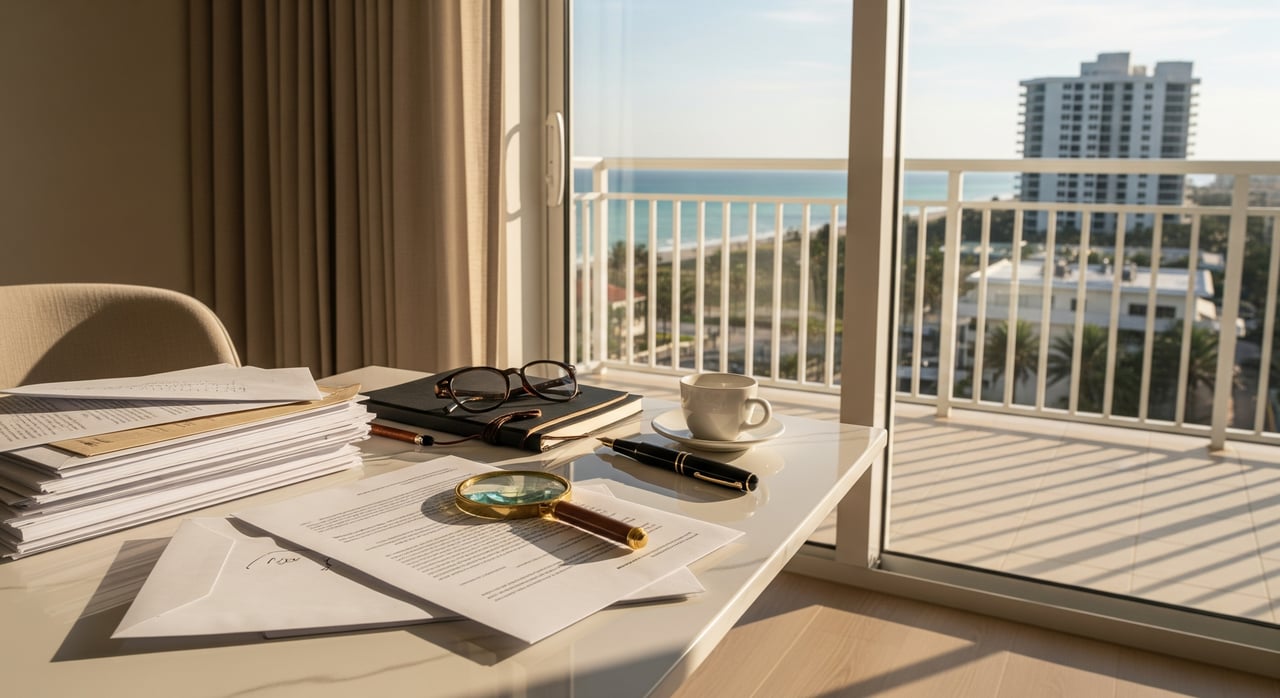
Buying a condo by the beach is exciting, but the documents behind the building can make or break your investment. In Palm Beach Shores, coastal conditions, insurance costs, and building inspections add extra layers to review. This guide shows you exactly what to request, what to look for, and the red flags that deserve a second look. You will walk away with a clear checklist and a simple plan to protect your purchase. Let’s dive in.
Why condo documents matter in Palm Beach Shores
Palm Beach Shores sits on a barrier island with exposure to wind, salt air, and storm surge. That means building maintenance, reserves, and insurance are critical to long-term value. You should also verify flood risk using FEMA flood resources and confirm if a lender will require flood insurance. These factors directly affect your costs and resale.
Florida condominiums are governed by Chapter 718 of the Florida Statutes, known as the Florida Condominium Act. It sets rules for budgets, reserves, access to records, and owner rights. You should confirm your contract’s document review window and use it to request and evaluate the association’s records.
Since the Surfside tragedy in 2021, building safety and structural inspections face greater scrutiny across Florida. Ask about any local inspection, recertification, or reporting requirements with the Town of Palm Beach Shores and Palm Beach County. Rules evolve, so verify current obligations with the association and local authorities.
The core documents you need
Declaration of Condominium
This defines unit boundaries, common elements, and how assessments are calculated. It also outlines owner vs association maintenance and any easements or restrictions. Review amendment procedures and any limits on alterations or rentals.
- Confirm unit boundaries and maintenance responsibilities.
- Note how assessments are allocated and calculated.
- Check rental and alteration restrictions.
- Read how amendments are adopted and by what vote.
Articles of Incorporation and Bylaws
These set the corporate structure and governance rules. Look for board size, terms, meeting procedures, and voting rights. Pay attention to special voting thresholds for major changes.
- Review board election rules and terms.
- Note quorum, proxy, and meeting procedures.
- Identify voting thresholds for amendments.
- Understand officer duties and committee rules.
Rules and Regulations
These are the day-to-day building policies that shape your lifestyle and the building’s brand. Rental terms, guest access, parking, and pet rules often appear here. Ask about any recent rule changes.
- Confirm rental and short-term rental policies.
- Review guest, parking, and amenity use rules.
- Check pet restrictions, including size or breed limits.
- Note smoking and vehicle policies.
Financial documents
The association’s financials show whether the building is on solid footing. Focus on reserves, insurance, and upcoming capital projects. Review both the current budget and recent financial statements.
- Annual and current-year budgets: look at reserves, insurance, utilities, landscaping, and capital items.
- Financial statements: review cash, reserve balances, and notes.
- Reserve study: compare current funding to recommendations.
- Auditor or accountant report: flag any qualifications.
- Delinquency report: watch for high delinquency rates.
Meeting minutes for the last 12–36 months
Minutes reveal what is actually happening, not just what is planned. They often mention special assessments, lawsuits, or vendor disputes. Scan for projects tied to coastal wear, like balconies or waterproofing.
- Note discussions of reserve-funded projects and deficits.
- Look for votes or notices of special assessments.
- Flag litigation, engineering reports, and vendor issues.
- Watch for transparency and timeliness.
Insurance policies and certificate of insurance
Insurance drives costs and risk in coastal Florida. Confirm coverage types, limits, and deductibles, especially wind and flood. Large deductibles can lead to owner loss assessments.
- Verify property, windstorm, and liability coverage.
- Confirm if flood insurance is carried and at what limit.
- Note wind deductibles and loss-assessment exposure.
- Check fidelity and directors and officers insurance.
Management contract and major vendor agreements
Management terms can affect service quality and fees. Understand contract length, renewals, and scope. See if key services are outsourced.
- Note compensation, termination rights, and renewals.
- Confirm maintenance, engineering, and security scope.
- Watch for automatic fee escalations.
Estoppel certificate or estoppel letter
This statement confirms assessment status and special assessments for the unit. Lenders often require it. It also lists fees to obtain the estoppel.
- Verify unpaid assessments and fees.
- Confirm any pending or approved special assessments.
- Note estoppel and transfer fees.
Litigation records and attorney correspondence
Lawsuits can impact cash flow, reserves, and marketability. Ask for details on construction defects, insurance claims, or fiduciary actions. Consider legal review for complex matters.
- Identify the type of litigation and potential liability.
- Confirm if legal fees are charged to owners.
- Ask about timelines and settlement status.
Engineering, inspection, and structural reports
Coastal buildings require frequent envelope care. Review structural reports that cover concrete, balconies, roofs, and waterproofing. Confirm planned repairs and funding.
- Check dates of reports and findings.
- Note recommended repairs and schedules.
- Confirm whether funding is in place.
- Ask about code compliance and violations.
Warranties and major system contracts
Recent capital upgrades may carry transferable warranties. These can offset future costs. Focus on roofs, elevators, and waterproofing.
- Confirm warranty terms and transferability.
- Note remaining coverage periods.
- Match warranties to recent projects.
Financial health and insurance priorities
Reserves and the reserve study
Adequate reserves protect you from sudden special assessments. Compare current balances to the study’s recommended funding schedule. An outdated or missing study is a red flag.
- Red flags: low reserves, outdated study, or using reserves for operations.
Operating performance and assessments
Review year-to-date results and whether assessments need to increase. Frequent special assessments can signal chronic underfunding. Ask how the budget anticipates hurricane-related costs.
Delinquency rates
High delinquency can stress cash flow and lead to collection actions. Request delinquency as a percentage of annual assessment income. Sustained high levels may impact financing options for buyers.
Insurance limits and deductibles
Florida wind deductibles can be large. Understand who pays what after a loss and whether owner HO-6 coverage should include loss assessment protection. Confirm flood insurance and ordinance and law coverage where applicable.
Special assessments, loans, and planned projects
Ask whether approved assessments are fully collected and if the association has loans. Confirm how future projects will be funded. Tie projects back to reserve plans and minutes.
Governance and rules that affect your plans
Board powers and amendment thresholds
Know how the association can adapt to change. Supermajority voting thresholds can slow needed updates. Review owner rights to call meetings and remove board members.
Rentals, leasing, and use restrictions
Minimum lease terms and short-term rental limits can affect your plans. Confirm whether current policies align with your goals before you buy. Check any grandfathering language in the Declaration.
Pets, parking, and guests
These policies shape day-to-day life and resale appeal. Verify parking allocations, guest rules, and pet criteria. Ask how rules are enforced.
Transparency and management
A responsive, transparent association builds confidence. Check whether minutes and financials are easy to access. Consistent meeting schedules and complete records are good signs.
Local safety and compliance checks
Palm Beach Shores and Palm Beach County may require inspections or recertifications for older buildings. Ask the association and local building departments about current obligations. Confirm that any required reports are complete and available.
Coastal wear is real. Ask about recent repairs to balconies, exterior concrete, waterproofing, and mechanical or electrical systems exposed to salt air. Verify that projects have funding and realistic timelines.
Use FEMA flood resources to see if the building lies in a Special Flood Hazard Area. If so, a lender may require flood insurance. Even if not required, discuss flood coverage with your insurance advisor.
Your step-by-step review timeline
- Days 0–2: Request the full document set. Include the Declaration, Bylaws, Articles, Rules, current budget, last 2–3 years of financials, reserve study, insurance certificate, 12–36 months of minutes, current estoppel, and any engineering reports.
- Days 3–7: Do a first pass. Scan minutes for special assessments, litigation, and capital projects. Compare the budget to the reserve study and note any gaps.
- Days 7–14: Bring in specialists. Have a Florida condo attorney review legal provisions and estoppel. Ask a CPA to assess reserves and financial statements. Engage a structural engineer or inspector for older or flagged buildings. Consult an insurance agent on wind and flood coverage.
- Before contingencies expire: Get written answers to outstanding questions from the board or manager. Confirm any pending assessments, loans, or insurance changes.
- Pre-closing: Verify estoppel updates, insurance renewals, and any changes noted in new minutes.
Common red flags to investigate
- Large or recurring special assessments without a longer-term plan.
- Low reserve balances compared to the reserve study.
- Operating deficits that grow year over year.
- High owner delinquency rates.
- Large wind deductibles or no flood insurance on a waterfront or low-elevation building.
- Sparse minutes, missing reports, or limited record access.
- Multiple construction-defect suits or unpaid vendor liens.
- Structural reports noting major repairs without funding or schedule.
Smart questions to ask the association
- Are any special assessments pending or approved? What amounts and payment schedules apply?
- What is the current reserve balance and when was the last reserve study?
- Are there ongoing or threatened lawsuits and what is the potential exposure?
- Has the building had recent structural or envelope inspections? Can we review the reports?
- What is the hurricane or wind deductible and is flood insurance in place?
- What percentage of owners are delinquent on assessments?
- What are the rental rules and minimum lease terms?
For sellers: make your docs buyer-ready
You can speed up a luxury condo sale by preparing the right documents in advance. Gather governing docs, budgets, financials, insurance certificates, and 12–36 months of minutes. Order an up-to-date estoppel and be ready to disclose any assessments or litigation. Buyers will appreciate transparency, and you will protect your timeline.
Next steps
If you plan to buy or sell in Palm Beach Shores, start by requesting the full document set and building your review team. A focused review of reserves, insurance, inspections, and minutes will help you avoid surprises and buy with confidence. When you want a calm, concierge process tailored to coastal condos, reach out to Letourneau Properties to coordinate the review and keep your deal on track.
FAQs
What condo documents should I request first in Palm Beach Shores?
- Start with the Declaration, Bylaws, Articles, Rules, current budget, last 2–3 years of financials, reserve study, insurance certificate, 12–36 months of minutes, and an estoppel letter.
How do Florida’s condo laws affect my review?
- Chapter 718 of the Florida Statutes governs budgets, reserves, access to records, and owner rights, so use your review window to request and evaluate all required documents.
Why are reserves and the reserve study so important in coastal condos?
- Adequate reserves fund major repairs like roofs and concrete restoration; low reserves in a salt-air environment increase the risk of special assessments.
What insurance details should I confirm for a Palm Beach Shores condo?
- Verify property, windstorm, and liability coverage, check flood insurance, and understand wind deductibles and owner loss-assessment exposure.
How can meeting minutes help me spot issues?
- Minutes reveal real-time decisions about capital projects, special assessments, vendor disputes, and litigation that may not appear in marketing materials.
What local checks matter before closing on a condo?
- Ask the Town of Palm Beach Shores and Palm Beach County about any inspection or recertification requirements, and confirm flood risk using FEMA resources.