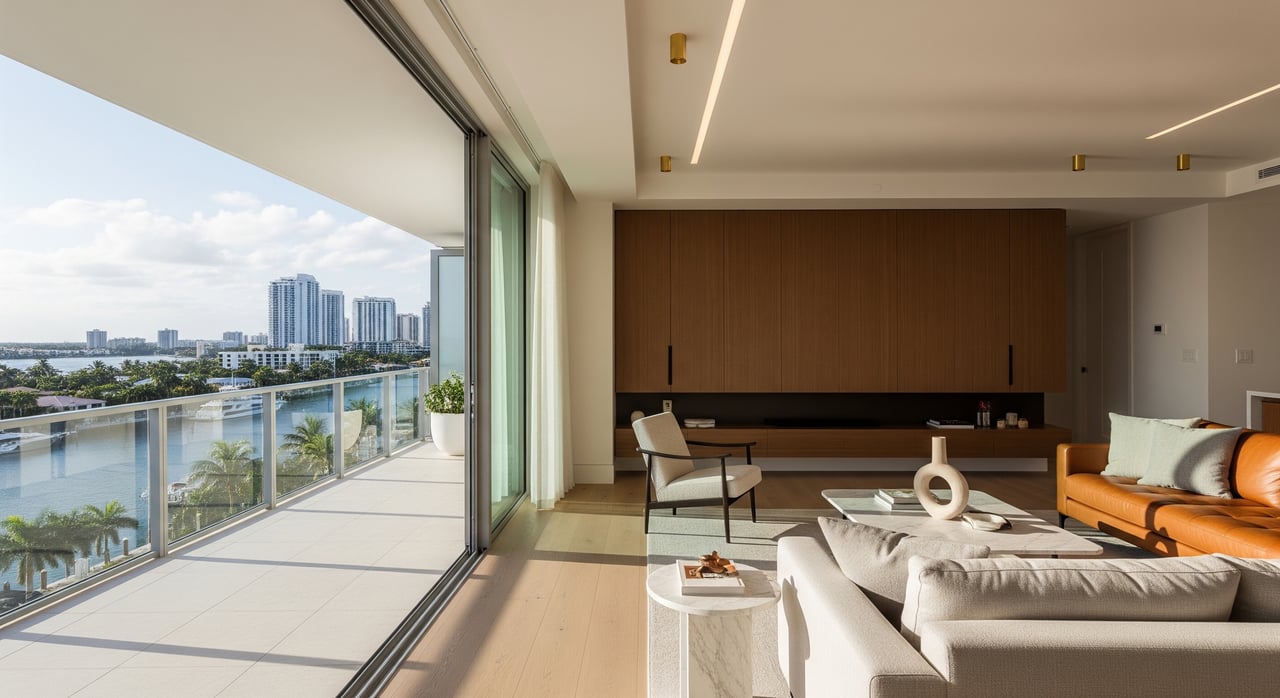
What if your first Florida home let you trade long commutes and yard work for sunsets on the Intracoastal and coffee on a walkable block? If you are eyeing a place that is easy to lock and leave, downtown West Palm Beach condos deserve a close look. You want clarity on lifestyle fit, building realities, financing, and long-term costs before you commit. This guide gives you a grounded, step-by-step view to help you decide with confidence. Let’s dive in.
Who thrives in a downtown WPB condo
If you value walkability, low-maintenance living, and quick access to dining and culture, downtown West Palm Beach fits well. The Clematis Street and Rosemary Square areas place restaurants, shopping, museums, green space, and waterfront paths within a few blocks. You can spend more time enjoying the neighborhood and less time in the car.
Buyers who often choose downtown condos include young professionals, seasonal residents, retirees, and out-of-state buyers seeking a simple base with strong amenities. If you need a private yard, larger indoor-outdoor space, or a location organized around schools, a single-family neighborhood may be a better fit. The key is matching how you live to what downtown offers.
Lifestyle and access you can count on
- Walkability and water: The downtown core offers dining, nightlife, and waterfront parks along Flagler Drive. The city’s focus on public spaces and services is a plus. Explore local services through the City of West Palm Beach.
- Regional connectivity: The Brightline train service stops near downtown and connects you quickly to Fort Lauderdale and Miami. Local transit options serve downtown as well.
- Easy travel: Palm Beach International Airport is a short drive away, which is convenient when you split time between states or travel often.
Downtown vs. nearby areas
- Downtown West Palm Beach vs. Palm Beach island: Palm Beach is a distinct, higher-priced market with luxury single-family homes and oceanfront estates. The lifestyle is quieter and more private. If you want a lively, urban vibe with condo convenience, downtown WPB stands apart.
- Downtown WPB vs. Intracoastal corridor: Towers directly on the Intracoastal often command a premium for water views and access. Units can be larger and the amenity mix can differ. Decide how much you value direct water frontage versus being closer to the core streets.
- Downtown WPB vs. Boca Raton and Delray Beach: Each has its own feel. Boca leans more suburban and residential. Delray offers an active arts and dining scene on a smaller scale. Weigh commute, price, and amenities against the urban energy of downtown WPB.
Building types and what to expect
You will find a wide range of options within a few blocks of each other. That variety is an advantage, but it makes due diligence essential.
- Older mid-rise and garden-style buildings: Often smaller units and simpler amenities. Fees may be lower, but confirm what is included and the state of reserves and maintenance.
- Mid-to-high-rise towers: Built across several decades with varying construction standards and layouts. Higher floors and water views usually carry price premiums.
- Newer luxury towers and mixed-use buildings: Expect concierge, security, resort-style pools, fitness centers, valet or garage parking, and integrated retail. These conveniences often come with higher monthly fees.
- Boutique buildings: Fewer units and a closer-knit owner community. Policies and reserves can vary widely.
Amenities and fees explained
Condo fees typically cover the master insurance policy for the building structure, common-area maintenance, landscaping, elevators, trash, and sometimes water or cable through bulk packages. Unit owners usually carry an HO-6 policy for interiors, personal property, and loss assessments. Amenities like 24-hour concierge, valet, and large fitness centers can raise monthly fees and reserve contributions. Always confirm what your fee includes and how reserves are funded.
Insurance and coastal risk basics
Owning a condo near the coast adds two key insurance considerations: flood and wind.
- Flood exposure: Check your building’s location on FEMA Flood Insurance Rate Maps and ask whether an elevation certificate exists. If the property is in a special flood hazard area, lenders will require flood insurance. You can review maps through the FEMA Flood Map Service Center.
- Wind and hurricane coverage: Condo associations carry master policies, but you will still need an HO-6. Florida’s private insurance market has tightened in recent years, which affects availability, premiums, and deductibles. For statewide market context and consumer guidance, review the Florida Office of Insurance Regulation and Citizens Property Insurance, the insurer of last resort for some properties.
Insurance can be a meaningful portion of your monthly carry. Get quotes early and compare coverage, deductibles, and any hurricane loss assessment obligations that could impact you after a storm.
Post-Surfside rules and building health
After the 2021 Surfside collapse, Florida increased requirements for condo safety, reserves, and transparency. As a buyer, you want to see the building’s reserve study, any structural or engineering reports, and a plan for inspections or capital projects. Ask about special assessments, completed work, and bids for future repairs. This is not just a paperwork exercise. A strong reserve policy and clear plan for maintenance help protect your safety and your property value.
For the legal framework that shapes condo operations, review the Florida Condominium Act (Chapter 718). Consider consulting an attorney or closing professional for building-specific guidance during your inspection period.
Financing realities for condos
Condo financing has a few extra steps compared with single-family homes. Lenders evaluate both your personal qualifications and the health of the condominium project.
- Project approval: Many lenders rely on project approval standards from Fannie Mae and Freddie Mac, and some buildings are not eligible under certain programs. This can affect your loan options and down payment.
- Association health: Lenders look at owner-occupancy levels, the percentage of units in arrears, reserve strength, litigation, and insurance coverage. Any red flags can tighten underwriting.
- FHA and VA: These programs maintain building approval lists. Not all downtown towers qualify. If you plan to use FHA or VA financing, verify building eligibility before making an offer.
The takeaway is simple. Align your lender selection with the buildings you like early in the process so there are no surprises later.
Cost picture and value drivers
Several factors drive price per square foot and long-term value downtown.
- Premiums: Water views, higher floors, newer or recently renovated buildings, and full-service amenities tend to command higher prices.
- Potential entry points: Smaller or older buildings can offer lower price points and simpler fee structures, but verify reserves and upcoming projects.
- Monthly carry: Budget for HOA fees, property taxes, insurance, utilities, parking, and any special assessments. South Florida cooling needs can keep electric bills higher year-round.
If you plan to sell down the line, strong walkability and amenities can help attract future buyers. Liquidity and resale value also depend on the building’s financial health and whether common loan programs will finance purchases there.
What to review before you offer
Because each tower is unique, your due diligence should be building-specific. Here is a focused list to guide you.
- Governing and financials: Declaration, bylaws, rules and regulations, current budget, recent financial statements, bank statements, and the reserve study or reserve schedule
- Insurance and risk: Master policy, recent insurance claims, flood zone determination, and an elevation certificate if available
- Building health: Recent structural or engineering inspections, concrete or façade projects, repair timelines, bids, and special assessments
- Legal landscape: Any pending or recent litigation involving the association
- Lifestyle rules: Pet policies, rental rules and any short-term restrictions, parking allocation and guest parking
If you will occupy the property as your permanent Florida residence, explore homestead benefits through the Palm Beach County Property Appraiser. The homestead exemption and Save Our Homes assessment cap can reduce your tax burden if you qualify and file on time.
Inspections that help you buy smart
- General home inspection: Focus on interior systems inside the unit.
- Structural or engineer review: Consider for older towers or if the association has disclosed issues.
- Wind mitigation inspection: Can help you understand wind protections and may lower insurance premiums.
- Flood-related documents: An elevation certificate can inform flood insurance requirements and pricing.
Smart buyer checklist
Use this quick path to keep your search focused and efficient.
- Define your lifestyle needs: Year-round vs seasonal use, pet and parking needs, amenity preferences, and your comfort with HOA fees and assessments.
- Align financing early: Secure a condo loan pre-approval and confirm that your lender will finance the buildings you prefer.
- Shortlist buildings: Tour at different times of day to gauge noise, traffic, and street activity.
- Verify risk and insurance: Check flood zone status and obtain early quotes for HO-6, wind, and flood coverage.
- Review association health: Analyze budgets, reserves, minutes, inspections, special assessments, and any litigation.
- Confirm rules: Rental flexibility, pet limits, guest policies, and parking assignments should match your plans.
- Calculate total monthly cost: Add mortgage, HOA, taxes, insurance, utilities, parking, and any assessments.
- Secure an estoppel letter: Before closing, verify association dues status, assessments, and pending actions in writing.
- Plan post-closing: If you intend to rent, confirm compliance with association and city rules in advance.
Is a downtown WPB condo right for your first Florida home?
Choose downtown if you want a lock-and-leave base with walkable dining and culture, quick airport and rail access, and modern amenities. Be prepared to evaluate insurance, reserves, and building approvals with care. If you prefer larger private space or a yard, you may want to explore nearby single-family options. Either way, a clear plan and building-specific due diligence will set you up for success.
If you want a trusted partner to curate the right towers, unpack condo documents, and negotiate with precision, schedule a private consultation with Patrick LeTourneau. You will get boutique, concierge-level guidance backed by deep condo expertise and global reach.
FAQs
Is downtown West Palm Beach walkable for daily needs?
- Yes. Dining, shopping, cultural venues, and waterfront parks cluster around Clematis Street and Rosemary Square, which reduces daily driving compared with suburban living.
How close is downtown to major transportation?
- The neighborhood is a short drive to Palm Beach International Airport, and the Brightline train connects you to Fort Lauderdale and Miami from a nearby station.
What insurance will I need for a downtown condo?
- Most buildings carry a master policy for the structure. You typically need an HO-6 for interiors and contents, and flood insurance may be required based on FEMA flood maps. Wind coverage is a major factor in Florida.
How do post-Surfside condo rules affect me as a buyer?
- Florida increased requirements for reserves, structural inspections, and transparency. Request recent reserve studies, engineering reports, and disclosures about special assessments to understand building health.
Can I use FHA or VA financing for a downtown condo?
- Possibly, but only if the building is approved for those programs. Confirm project eligibility with your lender before making an offer.
What ongoing costs should I budget for besides the mortgage?
- HOA fees, property taxes, HO-6 and flood or wind insurance, utilities, parking, and potential special assessments. Electric costs can be higher due to year-round cooling.
Where can I verify flood risk for a specific address?
- Use the FEMA Flood Map Service Center and request an elevation certificate if available to refine insurance requirements and pricing.
Are there property tax benefits if I live there full time?
- Florida residents may qualify for homestead benefits, including an exemption and an assessment cap. Check details with the Palm Beach County Property Appraiser.