Palm Beach luxury condos can feel like five-star resorts. But not every building delivers the same experience, protection, or long-term value. If you are shopping on the island, the right amenities, building systems, and HOA health can shape both your lifestyle and your bottom line.
This guide shows you what to look for in Palm Beach condo amenities, how to evaluate resilience and insurance, and which documents to review before you make an offer. You will walk away with a clear checklist and local context so you can move with confidence. Let’s dive in.
Palm Beach luxury must‑haves
Full-service lifestyle
In Palm Beach, full-service buildings are the norm at the top end. Expect 24/7 concierge and doorman, valet parking, on-site security, and package rooms with delivery handling. Many offer hotel-style conveniences like in-unit housekeeping, dry-cleaning pick-up, and concierge help with reservations or transportation. These services add comfort for seasonal residents and second-home owners, and they often mean higher HOA fees that reflect staffing and security.
Wellness and recreation
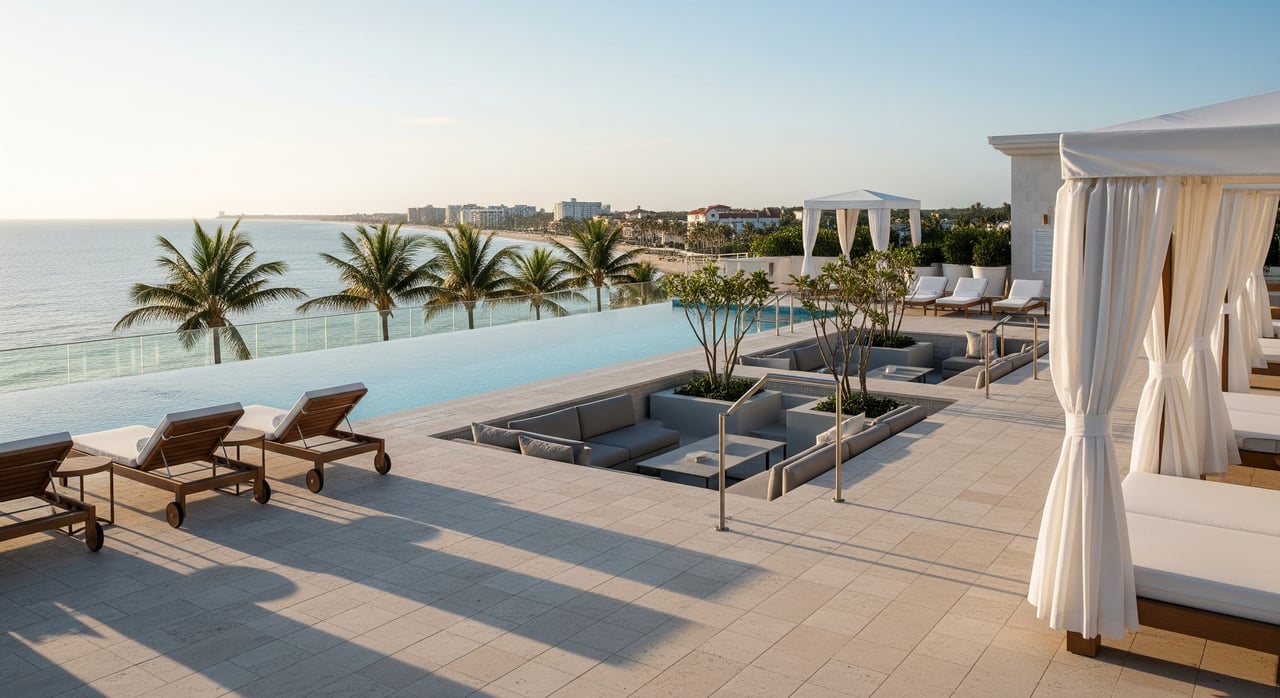
Premium health and wellness spaces matter. Look for fitness centers with personal-training areas, yoga or Pilates rooms, spa treatment rooms, and steam or sauna. Pools range from multi-lane lap pools to resort-style settings, sometimes on the roof. Tennis or pickleball may be on-site or through partnerships with nearby clubs. Buyers also value indoor and outdoor options to suit the season and any weather disruptions.
Outdoor and waterfront perks
Direct ocean views, landscaped terraces, and deeded or private beach access are major draws. Some buildings include beach clubs or lounges with chair and umbrella service. Boat access is more common on the intracoastal side or in adjacent developments since oceanfront sites are tight. Private docks or assigned slips are rare on dense island parcels, so confirm availability and rules if boating is a priority.
Parking and storage
Covered, assigned parking protects your vehicles and supports resale appeal. Guest parking is helpful during season when visitor traffic is high. EV charging stations are increasingly requested by buyers and can be a smart future-proofing feature. Private storage rooms, climate-controlled lockers, and bicycle storage add convenience, especially if you are a seasonal owner. In larger towers, service elevators and separate entrances make day-to-day living smoother.
Security and technology
Look for keycard access, concierge-monitored lobbies, and gated entries. Some residences have private elevator access. Building-wide Wi-Fi or fiber and in-unit smart-home systems for lighting, climate, and security make lock-and-leave living easier. Package rooms and delivery lockers are now standard due to higher parcel volume.
In-unit luxury elements
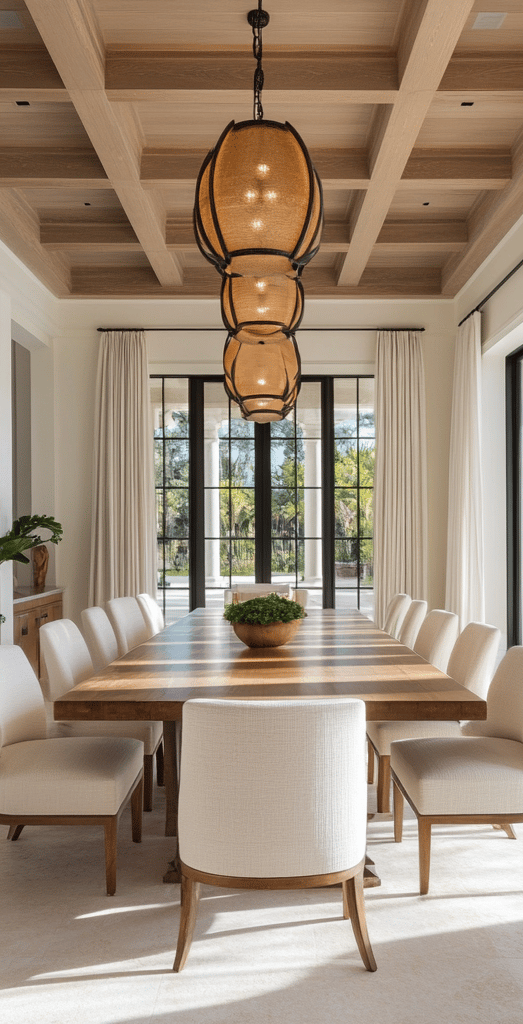
Private elevators, expansive terraces, chef’s kitchens, wine storage, and dual HVAC zones set the tone. In some buildings, essential systems and even HVAC are supported by generators during outages. Automated shades and durable, low-maintenance finishes help if you travel often and want simple ownership.
Resilience and insurance essentials
Hurricane-ready design
Palm Beach is in a hurricane-prone region. Newer buildings follow the Florida Building Code wind standards, which often include impact-rated glazing. Older towers may rely on shutters or retrofitted windows. Ask for permit records on any glazing upgrades and confirm the type and rating of windows and doors.
Flood zones and sea-level planning
Much of Palm Beach sits in FEMA flood zones that can affect insurance and lending. Check a building’s specific zone and elevation using the FEMA Flood Map Service Center. If you plan for multi-decade ownership, review sea-level rise projections with the NOAA Sea Level Rise Viewer and look at county resilience initiatives through the Palm Beach County Office of Resilience.
Insurance layers and deductibles
Florida condo ownership usually involves two layers of coverage. The association’s master policy covers the building and common elements. Your HO-6 policy covers your interior, personal property, liability, and sometimes the condo’s master deductible exposure. Flood insurance is separate from standard homeowners policies and depends on zone and elevation. The insurance market has been volatile. Get current estimates for both your unit and the master-policy implications, and review guidance through the Florida Office of Insurance Regulation.
Large wind or hurricane deductibles on master policies are common and often percentage-based. Ask how deductibles would be funded after a claim and what that could mean for owners.
Building systems and backup power
Elevator capacity, emergency generators, stormwater pumps, and facade maintenance are core to reliability. Some buildings have full-building generators. Others only cover life-safety systems, a limited number of elevators, or garage exhaust. Confirm which systems are backed up, the last load test date, and typical uptime after storms. Review elevator modernization records and maintenance contracts so you understand near-term capital needs.
HOA fees, reserves, and rules
What HOA fees cover
In luxury buildings, HOA fees often fund building insurance, staff and security, concierge services, amenity upkeep, common-area utilities, and water or basic cable. Always check the budget to confirm the exact inclusions and any expected increases.
Financial health to verify
Healthy reserves protect you from sudden special assessments. Ask for:
- Current operating budget and the last 2–3 years of financials.
- Reserve study and balances for roofs, elevators, facades, and mechanicals.
- Records of recent or upcoming assessments and any litigation.
- Delinquency rates among owners.
Florida condominium operations are governed by the Florida Condominium Act, Chapter 718. Early in your process, request the association’s resale certificate or estoppel letter, review governing documents, and confirm any disclosure timelines.
Rules that shape lifestyle and income
Rental policies vary by building. Some luxury towers restrict short-term rentals or set minimum lease terms. Pet policies also differ by number and size. Review guest policies, amenity reservation rules, and any design guidelines for renovations if you plan to update your unit. If you are an investor, confirm caps, registration steps, and compliance requirements before you make an offer.
Lifestyle and location factors
Beach access and private clubs
Many Palm Beach condos market beach access or private club benefits. Verify whether access is deeded, provided through an easement, or managed by exclusive-use agreements. The Town of Palm Beach shares municipal information that can offer helpful context on beaches, local ordinances, and seasonal services.
Boating and marina access
If boating is part of your lifestyle, plan for limited slip availability on oceanfront parcels. Proximity to intracoastal marinas is a strong alternative. Review policies and availability at the Town of Palm Beach Marina, and consider distance to the Lake Worth Inlet. Tides and currents vary, so ask about docking rules and conditions.
Shopping, culture, and convenience
Buyers often prize walkability to Worth Avenue, museums, and dining. Quick access to West Palm Beach, cultural venues, and the airport supports year-round use and seasonal travel. These location features can also help resale value over time.
Your due diligence checklist
Use this checklist before you finalize an offer or during your review window:
- Association documents: Declaration, Bylaws, Articles, Rules and Regulations.
- Financials: current budget, last 2–3 years of statements, reserve study and balances, history of dues changes.
- Resale certificate or estoppel letter and required disclosures under Chapter 718.
- Insurance: master policy declarations, coverage limits, wind and hurricane deductibles, flood policy information, and claims history.
- Building reports: inspection and engineering reports, facade and roof records, elevator modernization, generator capacity and load test records, stormwater pump maintenance.
- Permits: impact-glass retrofits, generator installations, major repairs, certificates of occupancy.
- Flood and elevation: flood zone determination, any elevation certificates, FEMA map review, and sea-level context via NOAA’s viewer.
- Rules: rental terms, pet policies, guest and amenity rules, and renovation guidelines.
- Assignments and fees: parking spaces, storage lockers, and any add-on costs.
- Legal and litigation: pending claims, disputes, or settlements; counsel review as needed.
- Insurance quotes: obtain current HO-6 and flood estimates and confirm how the master policy deductible could impact you through the association.
Inspections to schedule:
- Independent home inspection focused on windows and doors, water intrusion, HVAC, plumbing, and electrical.
- Engineering review for older buildings or if past structural issues are noted.
- Insurance broker review to estimate coverage needs and premium ranges.
- Attorney review of the contract and association documents.
Negotiation tips:
- Use findings on reserves, assessments, insurance, or litigation to adjust price or request protections.
- Confirm contingency timelines for document review and insurance quotes in your contract.
Smart questions to ask on tours
- Which amenities are most used in season, and what is the guest policy for each?
- Are windows and doors impact-rated, and when were they last upgraded or permitted?
- What systems run on the generator and how long can they operate after an outage?
- What is the current hurricane deductible on the master policy and how would an assessment be handled?
- What are the rental and pet rules, and how are violations enforced?
- How many elevators serve the building and what is the elevator-to-unit ratio?
- Are EV chargers available now, and can the infrastructure support more in the future?
How we help you buy with confidence
Selecting the right Palm Beach condo is about more than a great view. It is about matching lifestyle amenities with solid building systems and sound association finances. You deserve a boutique, high-touch process that uncovers these details before you commit.
If you want expert guidance on waterfront towers, pre-construction access, and condo-specific due diligence, connect with Patrick LeTourneau for a private consultation. We will curate the right options, organize inspections and document reviews, and help you negotiate from strength.
FAQs
What do HOA fees typically cover in Palm Beach luxury condos?
- Fees often include master building insurance, security and concierge staffing, amenity upkeep, common-area utilities, and water or basic cable. Always confirm specifics in the association budget.
Will I need flood insurance for a Palm Beach condo near the ocean?
- If the building sits in a FEMA flood zone, lenders often require flood coverage. Cost depends on your zone and elevation. Check the FEMA Flood Map Service Center and review the association’s flood policy.
How do hurricane deductibles on the master policy affect owners?
- Many master policies use percentage-based wind or hurricane deductibles. After a covered loss, part of that deductible may be assessed to owners. Ask the association how they plan to fund deductibles and what that could mean for you.
Are boat slips available with Palm Beach condos?
- Private slips are limited on oceanfront parcels and more common on the intracoastal side or at nearby marinas. Review availability and policies at the Town of Palm Beach Marina and confirm any building-specific docking rules.
What rules could affect seasonal rental plans in a luxury building?
- Rental policies vary widely. Many buildings restrict short-term rentals or set minimum lease terms. Review governing documents under Chapter 718, Florida Statutes before you buy.