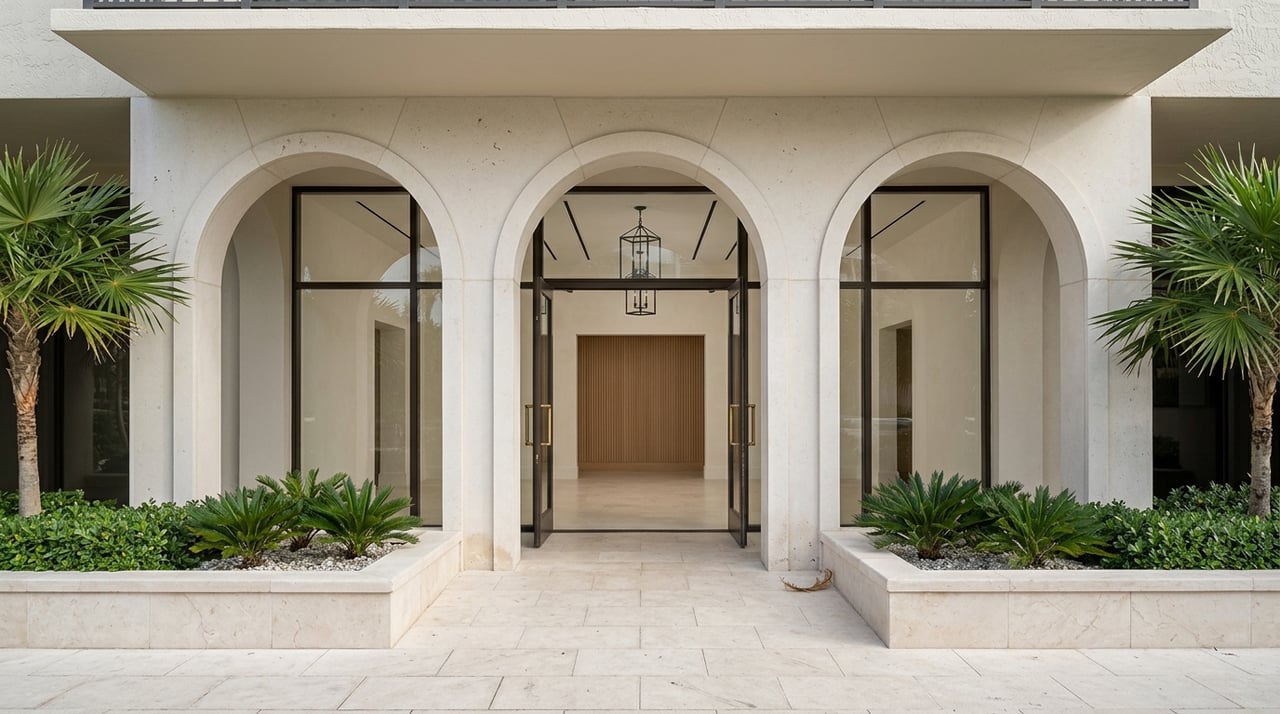
If you are deciding between a gleaming new Mid‑Beach residence and a proven tower with recent upgrades, you are not alone. Inventory is shifting, pricing is moving, and each option carries tradeoffs that affect your lifestyle and long‑term costs. This guide breaks down what you actually get with new construction versus established buildings, how rules and financing shape value, and the exact due diligence to run before you commit. Let’s dive in.
Mid‑Beach at a glance
Mid‑Beach generally refers to the central stretch of Miami Beach from about 23rd Street to 63rd Street, which includes anchors like the Collins Waterfront and Faena District. For context on boundaries and local identity, see the overview of Mid‑Beach’s location and history.
Over the last few years, developers have added branded, amenity‑rich towers and boutique projects to Mid‑Beach. As new product delivers, the mix influences price per square foot, inventory, and buyer leverage. Recent reporting shows Miami Beach luxury condos have been active and sometimes volatile as new projects come online, creating buyer‑friendly windows in segments of the market. For a current pulse, review Miami Beach’s Q1 2025 luxury condo market overview.
What you get with new construction
Design, layouts and systems
New buildings typically offer higher ceilings, expansive glass, modern mechanicals, and larger terraces that connect indoor and outdoor living. Many developers sell curated finish packages and allow early buyers to customize during presales. For a sense of current offerings in South Florida new development, see this roundup of recent pre‑construction updates.
Amenities and ongoing costs
Expect spa‑level wellness, elevated fitness, beach services, and sometimes private dining or concierge floors. These features enhance daily life but can raise HOA budgets, staffing needs, and long‑term replacement costs. Buildings with very expansive amenity programs often carry higher monthly dues or the risk of future assessments to maintain standards. Get a feel for how amenity stacks impact operations in this new‑development briefing.
Warranties and delivery
Developers usually provide building and unit warranties along with a punch‑list process at delivery. Coverage varies by project. Ask for written warranty terms, claim procedures, who backs the warranty, and any time limits. Have your attorney confirm what is covered and what is excluded.
Financing and warrantability
Lenders look at the project, not just your unit. Conventional financing often depends on Fannie Mae or Freddie Mac project eligibility reviews. If a building is flagged as not eligible or lacks documentation, the buyer pool narrows to cash or portfolio loans, which can affect resale. Learn how lenders evaluate projects using Fannie Mae’s Condo Project Manager FAQ and confirm status with your lender early.
Ownership experience and governance
New associations start under developer control. Ask when turnover to an owner‑controlled board will occur, how start‑up reserves are funded, and which vendor contracts are in place. Review the draft budget to see how amenities, staffing, and insurance are funded after turnover.
What established towers trade for
Floor plans and renovations
Established buildings can have slightly smaller or different layouts by today’s standards. Many have updated lobbies, amenities, and unit interiors that deliver similar lifestyle value. Ask for records of major system upgrades and recent contractor work to understand true condition.
Amenities and monthly fees
Older towers may have simpler amenity programs, which can mean lower monthly dues. On the flip side, if a building has deferred capital work, owners may face special assessments. Study the reserve study, recent budgets, and any assessment history to align expectations.
Maintenance, recertification and timing
In Miami‑Dade, building recertification and engineering inspections are mandatory on defined cycles. Review recertification reports and repair scopes to gauge future costs and timing. You can read the county’s program outline in Miami‑Dade’s recertification guidance.
Financing and resale liquidity
Established projects sometimes have clearer financing paths if reserves are solid, litigation is minimal, and no critical repairs are outstanding. If a building is on a lender’s ineligible list or has open structural issues, resale times can stretch and pricing can soften. Verify project eligibility with your lender before you write an offer.
Board governance and transparency
With mature associations, you can review minutes, budgets, and vendor history to understand operations. Focus on reserves, accounts receivable, insurance renewals, and any open or recent litigation.
Rules that can move your numbers
Safety laws and reserve studies
After the Surfside tragedy, Florida enacted statewide building safety reforms that require milestone inspections and Structural Integrity Reserve Studies for condo buildings meeting certain criteria. These rules increased inspection frequency, reserve planning, and disclosure. Many associations have raised dues or levied assessments to fund mandated repairs. For background on the reforms and their financial ripple effects, see this overview of Florida’s post‑Surfside condo laws.
Lender project eligibility
Post‑2021, Fannie Mae and Freddie Mac tightened project reviews, which now flag buildings with inadequate reserves, critical repairs, or heavy investor concentrations. This status can block conventional loans and reduce the buyer pool. Confirm a building’s status with your lender early, and ask what documents are needed for a project review using Fannie Mae’s CPM FAQ.
Short‑term rental limits
Miami Beach has firm rules on short‑term rentals that vary by zone and building. Many condo declarations also limit rentals. If you plan to rent, confirm municipal permissions and the association’s rules before you buy. For context on the city’s approach, review this summary of Miami Beach short‑term rental restrictions.
Climate and insurance
Miami Beach is low‑lying and experiences king‑tide and nuisance flooding, which contributes to insurance market pressure. Run address‑level flood risk using FEMA and regional tools, and ask for the master flood and wind policies, deductibles, and recent renewals. For a primer on local flood risk and sea‑level considerations, see the UF IFAS guide to coastal flooding and resilience.
A buyer’s due diligence checklist for Mid‑Beach
Use this quick, practical framework before you sign.
Developer questions for new builds
- Request the construction schedule with milestones and copies of major permits.
- Ask for written warranty terms, claim processes, and whether a third party backs the warranty.
- Confirm current presale percentages and the expected timing of HOA turnover to owners.
- Review the draft declaration, bylaws, initial budget, and management agreement.
- Ask if documents to support lender project reviews are ready, and whether the project is in Fannie’s or Freddie’s review pipeline. See Fannie Mae’s CPM FAQ for what lenders need.
Association questions for established towers
- Obtain the last 3 years of financials, the current budget, A/R aging, and the latest reserve study.
- Ask about pending or proposed special assessments and request engineer reports.
- Request copies of milestone inspection and any Miami‑Dade recertification reports. Review the county guidance to understand what to look for.
- Get current master insurance certificates for property, wind, flood, and liability, including deductibles.
- Ask for summaries of any ongoing or recent litigation.
- Verify rental policies, including any short‑term rental limits.
Documents to collect for counsel, lender, and engineer
- Reserve studies, structural and envelope reports, and any Phase 1 or Phase 2 milestone findings.
- Certificates of occupancy, developer disclosures, 12 months of HOA minutes, and 3 years of audited financials.
- Insurance policies with limits, exclusions, and renewal dates.
Red flags to pause on
- A milestone inspection indicates Phase 2 work, but there is no clear funding or schedule.
- The building is not eligible for conventional financing, or your lender warns of project‑level issues.
- Low reserves, high assessment delinquencies, or history of multi‑year assessments without a plan.
- Open litigation involving construction defects or major building systems.
- Developer‑controlled HOA with unclear turnover timing or budgets reliant on subsidies that will end.
- Repeated insurance premium spikes, high wind deductibles, or limited flood coverage on a waterfront site.
Which path fits you?
- You want turnkey living with modern layouts. New construction likely fits, as long as you are comfortable with higher dues for elevated amenities and you verify warranty scope and turnover details.
- You value known performance and lower fees. A well‑run established tower can be compelling if reserves are healthy and major capital items are up to date.
- You are financing. Start with a lender who will run a project eligibility check before you shop in earnest. This alone can save weeks and help narrow the list to buildings that support your loan type.
- You plan to rent. Confirm city zoning and building rules first. A building with clear rental policies and strong reserves can support long‑term value better than one with ambiguous rules.
Ready to compare specific Mid‑Beach buildings and run a clean, document‑first review? Schedule a private consultation with Patrick LeTourneau to align the right tower with your goals, timeline, and financing.
FAQs
What is considered Mid‑Beach in Miami Beach?
- Mid‑Beach generally spans from about 23rd Street to 63rd Street and includes areas like the Collins Waterfront and Faena District.
How do new condo amenities affect monthly HOA fees?
- Larger amenity stacks typically require more staffing and maintenance, which can increase monthly dues and future replacement costs.
How do milestone inspections and reserve studies impact buyers?
- These inspections can identify required structural or envelope work, which often leads to higher reserves or special assessments that change your carrying costs.
Why does Fannie Mae or Freddie Mac project eligibility matter?
- If a building is not eligible for conventional loans, the buyer pool shrinks, which can affect your ability to finance and may influence future resale value.
Are short‑term rentals allowed in Mid‑Beach condos?
- Rules vary by zoning and by building. Many associations restrict short‑term stays, so confirm both city permissions and the condo declaration before you buy.
How should I evaluate flood and insurance risk for a Mid‑Beach condo?
- Check FEMA flood maps and request the building’s wind and flood policies, deductibles, and recent renewal terms. Consider how street elevation and local resilience projects affect access and future costs.