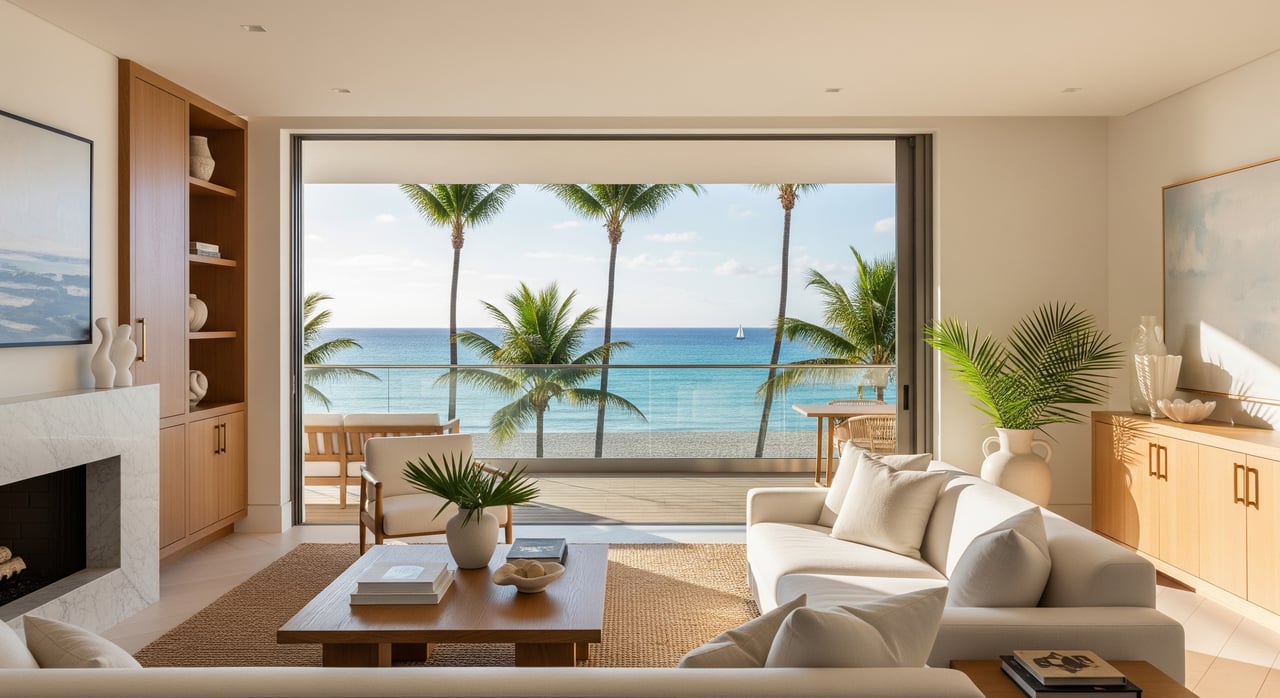
What does a perfect oceanfront morning look like to you? Imagine stepping from your condo to the sand before sunrise, coffee in hand, as the Atlantic lights up in soft pinks and gold. If you are considering Palm Beach condo life, you want the beauty and the ease, along with a clear picture of what ownership actually involves. In this guide, you will walk through a realistic day on the island plus the practical details that shape it, from amenities and services to HOA rules, insurance, and hurricane readiness. Let’s dive in.
Morning by the Atlantic
Oceanfront living in Palm Beach often starts early. Many buildings offer controlled beach access, so you can slip out for a quiet walk or swim before the day warms up. The ocean-facing side of the barrier island catches sunrise and cooler breezes, which is why mornings are often the most active time on the beach.
Back at the building, on-site staff such as a concierge or doorman help with daily flow. You might have valet bring your car around for a quick errand or set deliveries to the package room for later pickup. Service providers like housekeepers, dog walkers, and personal trainers are easy to schedule. During the winter social season, you may find more availability and energy throughout town as seasonal residents arrive.
Midday amenities and errands
Your building’s amenities set the rhythm for the day. Luxury oceanfront condos commonly offer a pool, a well-equipped fitness center with classes, spa-style locker rooms, owners’ lounges, and secured parking. Some communities add chair and umbrella setup on the beach, cabanas, and club-like social programming. These features are often supported by monthly HOA assessments.
When you want a change of scenery, you are a short ride from cultural fixtures and services across the bridge. The Norton Museum of Art in West Palm Beach offers a year-round exhibition calendar and a light-filled campus that is easy to visit for a few hours. The Society of the Four Arts anchors Palm Beach’s cultural life with gardens and programs close to the lake trail. For a touch of local history, Whitehall at the Flagler Museum brings the Gilded Age to life. Performance nights at the Kravis Center can turn a weekday afternoon into a special night out.
- Explore current programs at the Society of the Four Arts
- Plan an afternoon at the Norton Museum of Art
Afternoon culture or water time
Warm weather and ocean access make fitness and leisure easy. You can swim, paddleboard, or relax by the pool, then head to a museum talk or a concert. If you enjoy boating, nearby marinas support private boat owners and charters. Many residents split their afternoons between low-key outdoor time and town outings, especially from November through April when the social calendar expands.
Traffic and parking feel different in season compared to summer. Plan for slightly longer restaurant waits in winter and easier driving in the off-season. The island’s pace stays relaxed, while areas like West Palm Beach and Delray Beach offer more varied and later-night options.
Evenings and the social scene
Evenings on much of the island are residential and calm, which suits a terrace dinner or a stroll along the beach. If you prefer a livelier scene, West Palm’s downtown and Delray’s Atlantic Avenue offer more nightlife. During the winter months, charity galas, museum events, and performances add options most nights of the week.
A sample day timeline
- 6:30 a.m. Sunrise beach walk from your building’s access path
- 7:30 a.m. Coffee and emails on the terrace, ocean breeze in the background
- 9:00 a.m. Strength class in the building fitness center
- 11:30 a.m. Quick lunch nearby, then a visit to the Norton Museum of Art
- 2:30 p.m. Pool time or paddleboard session, then a stop at the owners’ lounge
- 5:00 p.m. Freshen up for an early dinner
- 7:30 p.m. Performance at the Kravis Center or a lecture at the Society of the Four Arts
- 10:00 p.m. Nightcap on your balcony with the sound of the ocean
Daily logistics to expect
- Parking. Guest parking can be limited in oceanfront buildings. Valet service is common, and policies vary by association.
- Deliveries. Many buildings handle packages in a secured room or through the concierge. Check your building’s procedures if you receive frequent deliveries.
- Mobility. You will likely use a car for most trips off-island. For short distances on the island, walking and biking work well. Rideshare options are widely available.
Ownership realities that shape life
Most oceanfront buildings are condominiums governed by an association. Rules influence daily living, including noise, renovations, pet policies, balcony use, and how amenities are shared. Rental policies often set minimum lease terms that protect residential character and limit short-term turnover.
When you evaluate a unit, request the governing documents and financials. The core set includes the Declaration, bylaws, recent meeting minutes, the reserve study, the current operating budget, and the latest financial statements or audit. These materials show how the building operates, how reserves are funded, and whether major projects are planned.
Costs and insurance basics
Monthly HOA assessments fund staffing, maintenance, common-area utilities, master insurance, reserves, and amenity upkeep. In full-service oceanfront buildings, fees are higher because service levels are higher.
You will generally carry an HO-6 policy for your unit interior and contents. Flood insurance may be required by your lender or association if your unit sits in a FEMA Special Flood Hazard Area. You can confirm a property’s flood zone using the FEMA Flood Map Service Center and review coverage options through the National Flood Insurance Program. Clarify what the building’s master policy covers, and what remains your responsibility inside the unit.
Coastal risk and resilience
Hurricane season runs from June 1 through November 30. Know your building’s policies for storm preparation, reentry, and debris removal. Review backup power for elevators and common areas, and confirm whether windows and doors are impact rated or protected by shutters. For storm tracking and preparedness guidance, use the National Hurricane Center.
Flooding and sea-level rise are ongoing considerations for beachfront properties. Local and federal agencies provide planning tools, including the NOAA Sea Level Rise Viewer. Florida’s coastline is managed with resilience in mind through programs at the Florida Department of Environmental Protection. Building age and recent capital improvements, such as impact glass or hardened enclosures, can improve your experience during severe weather.
Taxes and residency
Florida does not have a state income tax, which is a meaningful consideration for many buyers. Property taxes are assessed at the county and municipal levels. Only primary residences qualify for the homestead exemption and Save Our Homes benefits. Seasonal owners do not receive that cap, so your tax planning will differ if the condo is not your primary home. You can research parcel data and assessments through the Palm Beach County Property Appraiser.
Questions to ask on a showing
- How is beach access structured for owners and guests?
- What are the concierge and valet hours, and how is guest parking handled?
- How are packages and deliveries managed for residents who travel frequently?
- What is included in the monthly HOA assessment, and what varies by usage?
- What is the rental policy, including minimum lease terms and approval timelines?
- What is the unit’s flood zone, and are there flood or wind insurance requirements?
- What capital projects are planned, and what is the status of reserves?
- Has the building completed recent resiliency upgrades, such as impact glass or generator capacity?
- What are the most recent comparable sales in the building or nearby?
Risks and readiness checklist
- Confirm FEMA flood zone and review NFIP or private flood options.
- Verify impact glass or shutters, generator coverage for common areas, and storm procedures.
- Review association reserves, recent minutes, and any special assessments.
- Clarify master insurance coverage versus owner responsibilities.
- Understand rental restrictions and approval processes.
- Ask about guest parking, service hours, and delivery handling.
Is Palm Beach condo life right for you?
If you value an easy, ocean-centered routine and a building that simplifies daily living, Palm Beach can fit beautifully. Your day moves from sunrise walks to poolside afternoons to a cultural evening with very little friction. At the same time, coastal ownership comes with rules, assessments, and storm planning that reward careful due diligence. With the right guidance, you can align the lifestyle you want with a building that fits your needs.
If you are exploring oceanfront options in Palm Beach, schedule a private consultation with Patrick LeTourneau. You will get clear guidance on buildings, lifestyle fit, and the documents that matter before you buy.
FAQs
What is daily life like in a Palm Beach oceanfront condo?
- Expect early beach walks, full-service building amenities, and easy access to museums, gardens, performances, and dining on and off the island.
How does hurricane season affect condo residents in Palm Beach?
- You prepare early, follow your building’s storm plan, confirm window protection and backup power, and use official guidance from the National Hurricane Center.
Do I need flood insurance for an oceanfront condo in Palm Beach?
- It depends on your unit’s flood zone and lender or association requirements. Check the FEMA Flood Map Service Center and review options via the National Flood Insurance Program.
What do HOA fees typically cover in luxury oceanfront buildings?
- Fees often cover staffing, common-area utilities, master insurance, reserves, and amenity upkeep. Ask for the budget to see what is included in your building.
Are short-term rentals usually allowed in Palm Beach oceanfront condos?
- Many associations set minimum lease terms to maintain a residential atmosphere. Confirm exact rental rules and approval timelines with each building.
Where are the nearest cultural attractions to Palm Beach condos?
- Popular choices include the Society of the Four Arts, the Flagler Museum, the Norton Museum of Art, and performances at the Kravis Center.