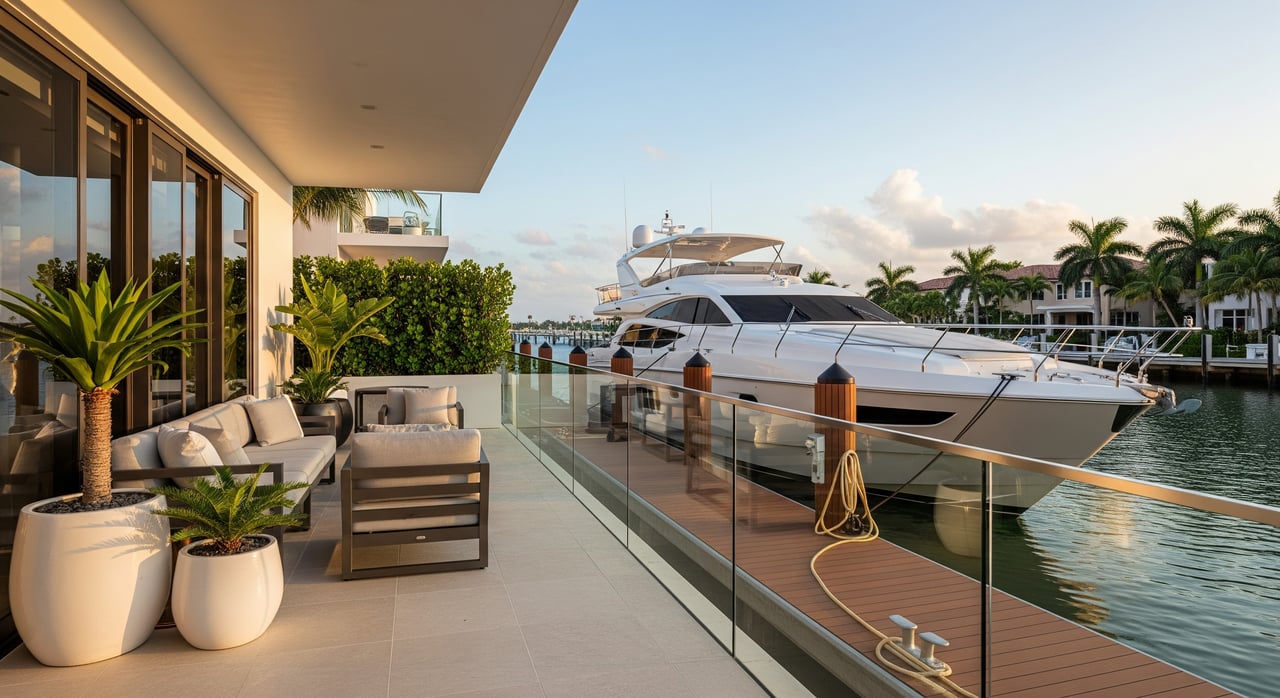
Picture this: you step out of your elevator, stroll past the lobby, and your boat is waiting just steps away. If that vision is driving your search in Coconut Grove, you’re in good company. Yacht‑friendly condo living here blends a walkable lifestyle with direct access to Biscayne Bay, but it also comes with unique rules, costs, and due diligence. In this guide, you’ll learn how slips work, what to verify before you bid, and how to protect your investment from storms to closing. Let’s dive in.
What “yacht‑friendly” really means
A condo is truly yacht‑friendly when both the amenities and the paperwork support safe, practical boat ownership. That includes slip access, sensible HOA rules, and the right infrastructure for your vessel’s size and power needs.
Slip models and access
- Deeded slips: These are rare in condo projects. A deeded slip can transfer like a parking space, with separate conveyancing and potential tax and mortgage considerations.
- Assigned or leased slips: More common in Coconut Grove. The HOA or marina manages the slips as a common or limited common element, and your access is governed by a license or lease agreement.
- Wet slip vs dry storage: Wet slips keep your vessel in the water. Dry storage can be on site or arranged offsite. Understand which is available and how reservations work.
- Guest and transient berthing: Helpful if you host. Policies vary by building and marina manager, so check reservation windows, fees, and time limits.
Physical limits boaters should check
- Max size: Buildings post limits for length overall and beam.
- Draft and water depth: Verify low‑tide depths and any shoaling or tight turning basins that could affect your maneuvering.
- Structures and access: Review seawall condition, piling type, dock elevation, and safe gangway access.
- Utilities and services: Confirm shore power capacity, freshwater, and pump‑out access. Know where nearby fuel docks and haul‑out yards are located.
Rules, permits, and the environment
Waterfront structures in South Florida operate within a strict regulatory framework. Permitting can involve federal, state, county, and city layers. Environmental protections for seagrass and mangroves can limit new docks, dredging, or certain repairs. In practice, many slip arrangements are contractual rather than fee‑simple real estate, so your rights come from the HOA and marina agreements.
HOA and title details that matter
- How docks are classified: Docks may be common elements, limited common elements, or separately deeded. Each treatment affects usage rights and transfer at sale.
- Easements and riparian rights: Ask your title team to confirm ownership of adjacent submerged lands and whether riparian rights apply to your unit.
- Rental and commercial use: Read the HOA rules for restrictions on transient rentals and any limits on renting a unit and a slip separately.
Why Coconut Grove stands out
Coconut Grove is a historic, high‑amenity Miami neighborhood with strong demand for waterfront living and boating. You get quick access to Biscayne Bay channels, a lively dining and park scene, and a boating culture anchored by area marinas and sailing clubs. Public and private docking options nearby make it easier to match your vessel to the right home base, and walkability adds to the day‑to‑day appeal when you’re not on the water.
Insurance choices for coastal living
Waterfront condos face unique insurance needs. Expect to coordinate coverage between the HOA’s master policy and your own policies.
- Flood insurance: Many waterfront condos sit in FEMA flood zones. If you finance, lenders typically require flood insurance for units in Special Flood Hazard Areas.
- Wind and hurricane: Florida policies often include windstorm coverage with separate deductibles. Review deductibles and storm provisions.
- Dock and slip coverage: Confirm whether the HOA’s master policy covers dock structures. You may need additional liability and your own hull and marine insurance for your vessel.
- Marina requirements: Marinas often require proof of insurance and may ask to be named as an additional insured. Keep certificates current.
- Market reality: Florida insurance availability and pricing have been volatile. Work with an insurance broker experienced with coastal and marine exposures.
Financing and closing with confidence
Buying a yacht‑friendly condo introduces a few extra steps, especially if a slip is involved.
- Condo project review: Many lenders follow Fannie Mae and Freddie Mac standards. High investor ratios, significant commercial components, or unresolved litigation can impact eligibility and down payment requirements.
- Deeded slip considerations: If the slip is deeded separately, ask your lender how it will be treated for collateral and qualification.
- Boat loans vs home loans: Boat financing runs on a separate track. Marine lenders look at vessel age, condition, and storage arrangements, which can affect loan terms.
- Title and survey: Your title search should include submerged land ownership, recorded easements, and any marina agreements. For the property, consider a marine conditions report focused on docks, pilings, and seawalls.
- HOA reserves and assessments: Review estoppel letters and reserve studies for marina, seawall, and dredging needs. Special assessments can be significant.
Buyer checklist for Coconut Grove tours
Use this quick list to focus your due diligence before you make an offer.
- Documents to request:
- Recorded condo declaration and any plats or easements referencing docks.
- Slip agreement, lease, or separate deed if a slip conveys.
- HOA and marina rules, including slip assignment, guest docking, and size limits.
- Recent reserve study and meeting minutes that mention seawall or dredging projects.
- Insurance certificates and owner coverage requirements.
- Permitting and dredging history, plus any environmental actions.
- Physical and navigational checks:
- Low‑tide water depths near slips and in turning basins.
- Seawall condition report and piling inspections.
- Access to open channels and any fixed bridge clearances along your route.
- Inspections and operations:
- Hire a marine contractor or surveyor to review docks, electrical, and pump‑out systems.
- Confirm exact slip dimensions, utilities, and recent repairs for any slip that conveys.
- Review security, guest policies, emergency response, and storm protocols.
- Closing steps:
- Activate required insurance in line with lender and HOA rules before closing.
- Confirm transfer or background check requirements for the HOA or marina.
- Verify reserves and upcoming assessments. Consider escrow if marina work is pending.
Storm planning and long‑term resilience
Hurricanes and tides are part of coastal living. A good plan protects both your home and your vessel.
- Hurricane season playbook: Ask how the HOA doubles lines, handles fenders, and manages haul‑outs. Know whether your slip has lift capacity or whether there is a haul‑out arrangement.
- Flood and sea‑level risk: FEMA flood zones and local adaptation plans influence insurance and long‑term risk. Evaluate how the building plans for surge and flood events.
- Capital planning: Reserve studies should include recurring dredging, seawall upgrades, and adaptation measures. Review how the HOA funds and schedules these projects.
Costs and who pays
Ownership costs vary by building and slip type, but you should understand the general framework upfront.
- Common elements: If docks are common elements, the HOA is typically responsible for maintenance, with costs shared through dues or assessments.
- Limited common elements or deeded slips: Costs may be allocated differently, sometimes with specific fees to slip users or owners.
- Future projects: Dredging, seawall reinforcement, and dock upgrades can require special assessments. Confirm scope, budget, and timing before you finalize an offer.
Tips for sellers of yacht‑friendly condos
Position your property to speak to serious boaters and their lenders.
- Gather the paper trail: Provide slip agreements or deed, HOA and marina rules, recent reserve studies, permits, and maintenance records for docks and seawalls.
- Specify the boat fit: Share slip dimensions, posted LOA and beam limits, low‑tide depth, shore power capacity, and pump‑out accessibility.
- Highlight management strength: Note security, storm protocols, and any recent upgrades to pilings, seawalls, or electrical systems.
- Clarify transfer steps: Outline any assignment fees, background checks, and insurance requirements for a smooth close.
How to get started in Coconut Grove
If you are early in your search, focus on three things: match the slip model to your needs, verify physical constraints for your vessel, and review HOA governance and reserves. Line up a marine surveyor, a local insurance broker familiar with coastal risks, and a lender who understands condo project reviews. Then tour buildings with an eye for navigational ease, operational readiness, and community fit.
Ready to see which Coconut Grove condos truly work for your boating lifestyle? Reach out to schedule private tours, review slip documents, and plan your offer strategy with a waterfront‑savvy advisor. Connect with Patrick LeTourneau to get started.
FAQs
Do condo buyers automatically get a dock or slip?
- Not always. Many Coconut Grove condos treat slips as common or limited common elements managed by the HOA. Access is governed by separate agreements and policies, not an automatic right with the unit.
What is the difference between a deeded slip and an assigned slip?
- A deeded slip transfers like real property and may have separate taxes and financing considerations. An assigned or leased slip is controlled by the HOA or marina and conveyed through an agreement.
How do HOAs regulate boat size and guest docking?
- HOAs typically post limits for length overall and beam, along with guest docking rules and reservation windows. Review the written marina and HOA regulations before you make an offer.
Who pays for seawall, dock, and dredging repairs?
- It depends on how the docks are classified. Common elements are usually funded by the HOA through dues or assessments, while limited common or deeded arrangements can allocate costs to slip users or owners.
How do flood and wind insurance affect financing?
- Lenders often require flood insurance for units in Special Flood Hazard Areas, and Florida policies commonly include windstorm coverage with distinct deductibles. These factors can influence loan approval and carrying costs.
Can you rent out your unit and the slip separately?
- Possibly, but many HOAs restrict transient rentals and have specific rules for slip use. Confirm rental policies for both the unit and any slip before you rely on rental income.
What happens to dock access during hurricanes?
- Many marinas implement storm protocols, such as doubling lines and coordinating haul‑outs. Access can be restricted during events for safety. Review your building’s written plan in advance.
How can you verify actual water depth and navigability?
- Request low‑tide depth measurements, dredging records, and turning basin details from the HOA or marina. Consider a dock inspection by a marine contractor or surveyor to confirm conditions.
Do you need permits to repair or expand docks?
- Most dock or seawall work requires permits that can involve city, county, state, and federal agencies. Environmental protections for seagrass and mangroves may limit what is allowed.